
by Marcia Carteret, M. Ed. | Mar 23, 2011 | Blog, Key Concepts in Cross-Cultural Communications, Non-English Speaking Patients, Patient Engagement
The cultural worlds created by humans are not controlled by universal laws of science; each culture operates according to its own internal dynamic. Even members of a given culture acquire most of what they know in the process of growing up. Relating to other people...
by Marcia Carteret, M. Ed. | Feb 21, 2011 | Immigrant and Refugee Health
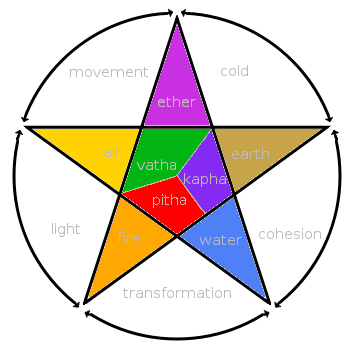
Patients’ health beliefs can have a profound impact on clinical care. They can impede preventive efforts, delay or complicate medical care and result in the use of folk remedies that can be beneficial or toxic. Culturally-based attitudes about seeking treatment and...

by Marcia Carteret, M. Ed. | Nov 3, 2010 | Immigrant and Refugee Health
In previous newsletters, we explored using informed generalizations to learn about cultural differences. This concept certainly applies to learning about non-verbal behaviors. There is no quick and easy-to-use reference guide for culturally-based behaviors and lists...

by Marcia Carteret, M. Ed. | Nov 3, 2010 | Culture-Specific Topics
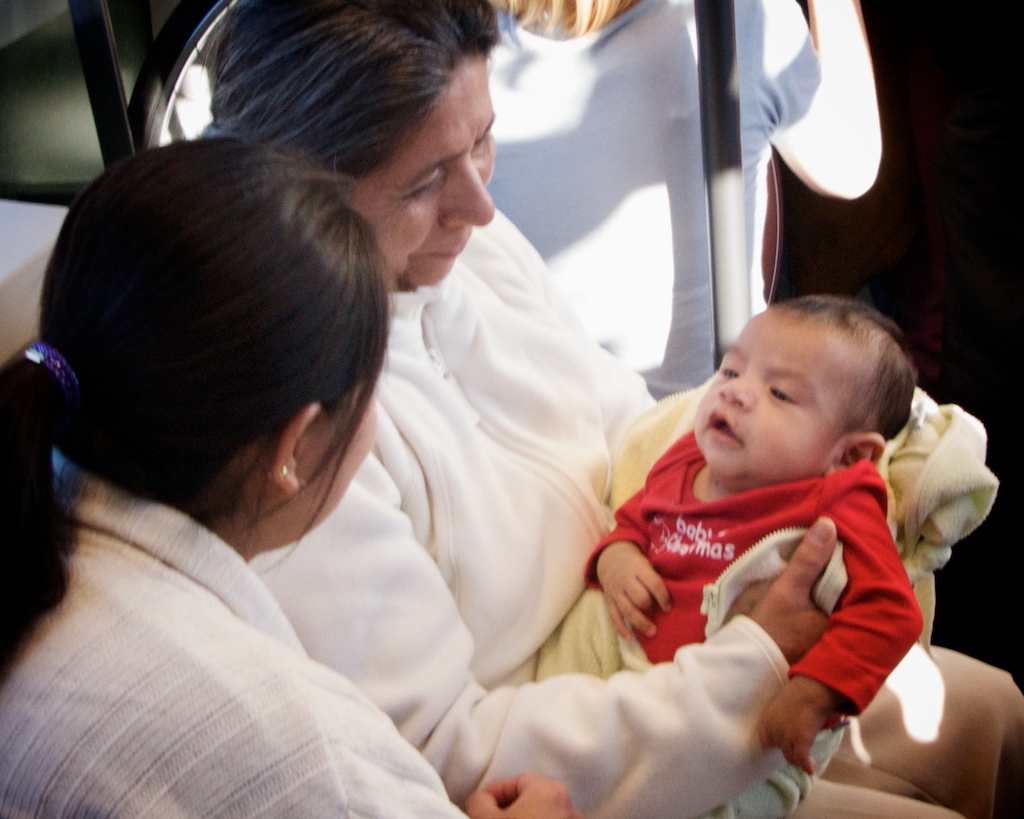
by Janine Young, MD— The importance of immediate and extended family ties are very important to the Latino community—otherwise known as familismo. The mother, father, grandparents, aunts and uncles may come to their children’s doctor visits, and all may have...
by Marcia Carteret, M. Ed. | Nov 3, 2010 | Culture-Specific Topics
by Janine Young, MD www.contemporarypediatrics.com Vol. 26, No. 2— The US continues to be a country of immigrants. As of 2006, roughly 37.5 million immigrants (documented and undocumented) were living in the US, accounting for 12.5% of the total population. Of these,...